
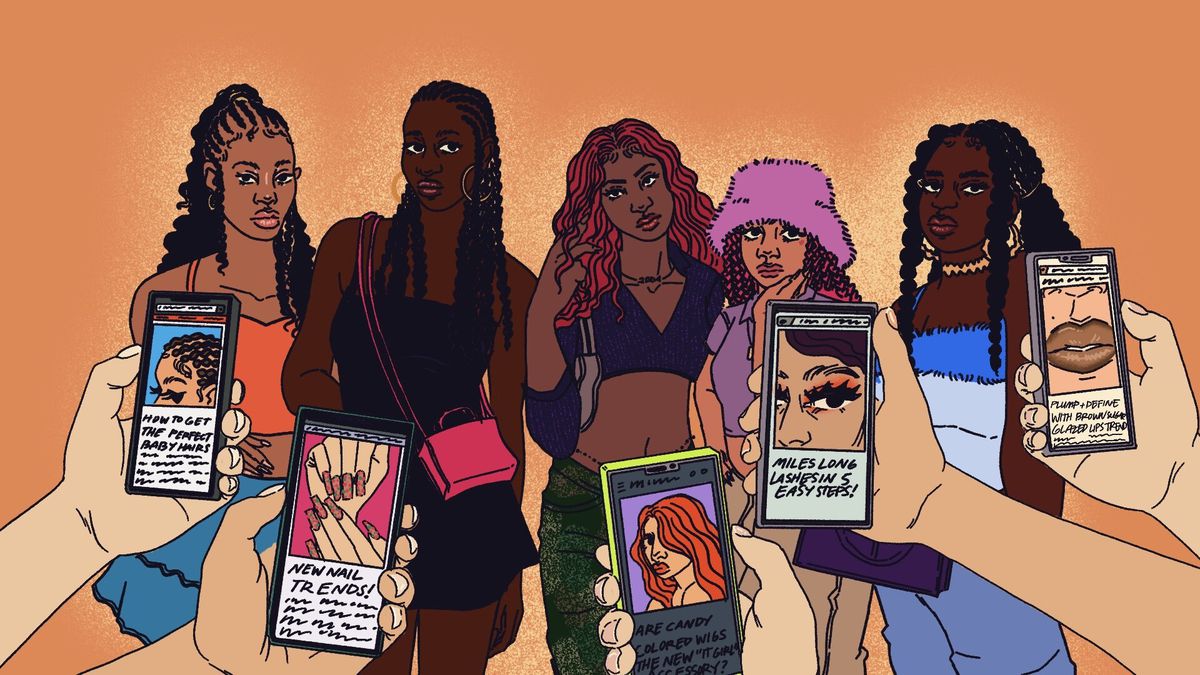
The rise of social media has transformed the fashion world in ways that runway shows or magazines never could have. Today, fashion ideas are born and spread on digital platforms where audiences discover, share, and help shape trends in real time. TikTok, Instagram, and other social networks can turn an ordinary video or hashtag into a global style shift overnight.
This new way of spreading trends makes fashion more open and creative, but it also brings challenges. The rapid pace of fashion trends on social media often leads to overproduction and raises concerns about the environmental impact and sustainability of fashion.
For the fashion industry, consumers, and fashion houses alike, it is now essential to understand the connection between social media and fashion consumption in order to develop the right strategy for the digital age.
How Does Social Media Influence Fashion Trends?
Influencers and creators as new leaders
Social media influencers, bloggers, and content creators have replaced traditional magazines as style icons. Fashion enthusiasts no longer wait for seasonal collections; instead, they follow daily updates from fashion influencers on Instagram, TikTok, or YouTube. Even micro-influencers can influence consumer preferences in online communities, making them a powerful tool for boosting brand awareness and for influencer collaborations.
Faster Trend Cycles
The fashion ecosystem has accelerated dramatically. Microtrends fueled by TikTok’s video format can emerge within days and fade away within weeks. What once lasted an entire season now disappears quickly, altering fashion choices and purchasing decisions. This rapid lifecycle affects everything from luxury brands to fast-fashion retailers and forces quick responses.
For example, “Tomato Girl Summer,” which went viral on TikTok in 2023, demonstrates how quickly social media can spark short-lived but influential fashion trends.
Active consumer participation
In the digital age, fashion is no longer dictated solely by fashion designers or brands. Social media users play a decisive role through user-generated content, hashtags, and styling tips. Online communities encourage consumers to reinterpret trends, share street style, and inspire one another. This consumer engagement makes fashion more democratic, but also less predictable.
Brands are adapting to the pace
fashion companies, seasonal calendars are no longer enough. Social platforms are forcing brands to react in real time, leading to fast-paced capsule collections and influencer-driven promotions. Many labels now rely on social media influencers and digital marketing campaigns to quickly reach their target audiences.
At the same time, e-commerce and social commerce enable brands to engage consumers where they spend most of their time. Today, people discover styles, follow trends, and shop directly through posts, turning social networks into seamless shopping experiences.
Key Social Media Platforms Driving Fashion in 2025
- Instagram: Still a key social media platform for stylish looks and collaborations with influencers who shape mainstream style.
- TikTok – viral microtrends: The fastest driver of fashion cycles, where challenges and sounds create new trends overnight.
- Pinterest – visual discovery: Popular among students and fashion bloggers for mood boards, street style ideas, and long-term style inspiration.
- YouTube & Shorts: A mix of haul videos, styling tips, and reviews that influence purchasing decisions and consumer behavior.
- Emerging platforms – BeReal, Threads, Lemon8: Focus on authenticity, online communities, and new ways to reach a broader audience.
Positive and Negative Impacts of Social Media on Fashion Trends
Positive
The Democratization of Fashion: Social media has made the fashion world accessible to everyone, not just celebrities or industry insiders. Anyone with a smartphone can share their style, and sometimes these everyday looks inspire entire movements. This shift has made fashion more accessible and led to a greater diversity of trends.
Inclusivity and representation: Platforms are bringing to the forefront voices and styles that were often left out of traditional media. Different body types, cultures, and perspectives are now more visible and are shaping trends that reflect the diversity of fashion fans. This inclusivity has prompted brands to be more attentive and better respond to a broader spectrum of consumers.
Creativity and Community-Driven Fashion: Trends no longer originate solely from top designers. They emerge collaboratively through hashtags, challenges, and online communities. Fashion is becoming a space for collaboration where people experiment, recombine ideas, and inspire one another across boundaries.
Negative
The Rise of Fast Fashion: The rapid pace of microtrends has fueled the rise of fast fashion. Since trends change every few weeks, brands often rush to produce inexpensive clothing that keeps up with the latest trends. This has led to an increase in disposable items with a short lifespan.
Overproduction and Waste: As brands compete to meet demand, more garments are produced than can realistically be worn or sold. Unsold inventory piles up, and returned items are often thrown away instead of being resold. This cycle leads to a growing waste problem in the fashion industry.
Unsustainable consumption habits: Social media also encourages constant shopping and “haul culture,” where people buy large quantities of clothing to stay on trend. This behavior not only strains resources but also teaches consumers to prioritize quantity over quality, exacerbating environmental and ethical concerns.
How to Solve the Challenges of Fast-Moving Social Media Trends?
Smarter Forecasts with AI to Avoid Overproduction: AI-powered forecasting tools can help e-commerce brands identify signals from social media and predict which styles are likely to gain popularity. By identifying emerging hashtags or viral trends early on, companies can fine-tune their production more accurately and avoid creating excess inventory that may never be sold.
On-demand production and limited editions instead of mass production: Instead of producing massive collections months in advance, some brands are increasingly turning to on-demand manufacturing or limited-edition capsule collections. This approach reduces risk, keeps inventory lean, and creates a sense of exclusivity while keeping pace with the speed of online trends.
Using data from resales and returns to refine future designs: Patterns from resale platforms and returned items provide useful insights into what people actually want to keep wearing. Brands can use this data to refine future collections, improve quality, and reduce waste by focusing on what stays in wardrobes rather than what gets thrown away.
Creating agility in supply chains to adapt without waste: A flexible supply chain enables companies to respond quickly without overcommitting. Shorter production cycles, local sourcing, and digital design tools make it easier to adapt to trends while maintaining high efficiency and keeping waste to a minimum.
Promoting sustainable practices: In addition to trend-driven collections, many brands are focusing on long-term values such as upcycling, capsule wardrobes, and eco-friendly materials. These narratives appeal to consumers who want to enjoy fashion while also being mindful of its impact, thereby balancing the pursuit of trends with responsibility.
How to Stay Updated on Fashion Trends on Social Media?
Follow trend-savvy influencers and experts: Influencers often set the tone for what becomes popular. By following a mix of major creators and niche voices, you can identify trends at both the mainstream and community levels.
Use AI-powered tools that track viral growth across platforms: Artificial intelligence can scan TikTok, Instagram, and other platforms to identify which hashtags, sounds, or looks are gaining popularity. This saves time and helps you distinguish fleeting trends from those that are likely to gain further momentum.
Join secondhand and niche communities to spot early signals: Secondhand platforms and niche online groups often reveal what people are looking for before it reaches the mainstream. If certain items sell out quickly or attract attention in small circles, it’s often a sign that a broader trend is emerging.
Observe what younger social media users adopt first: Gen Z and Gen Alpha are usually the first to pick up on and spread new aesthetics online. By observing their online behavior, you can gain a head start in understanding what will soon reach a broader audience.
Practical tips for daily tracking: Simple actions like setting alerts for fashion keywords, following trending hashtags, or subscribing to style newsletters and fashion content across multiple channels can keep you updated. A steady mix of manual tracking and automated updates helps you stay informed without missing new waves.
Conclusion
The power of social media in shaping trends is undeniable. In recent years, digital platforms have played a pivotal role in fashion inspiration, the shopping experience, and customer loyalty. The influence of social media is both an opportunity and a challenge.
For fashion designers, luxury brands, and e-commerce retailers, the key lies in balancing fleeting enthusiasm with long-term, sustainable fashion practices. Through the smart use of social media marketing, the application of artificial intelligence for forecasting, and the constant monitoring of consumer behavior, the fashion industry can shape fashion trends responsibly while inspiring fashion enthusiasts around the world.
Comments (0)
Comments are reviewed before they appear. Please keep it friendly and leave out links.
No comments yet - be the first to share your thoughts.