
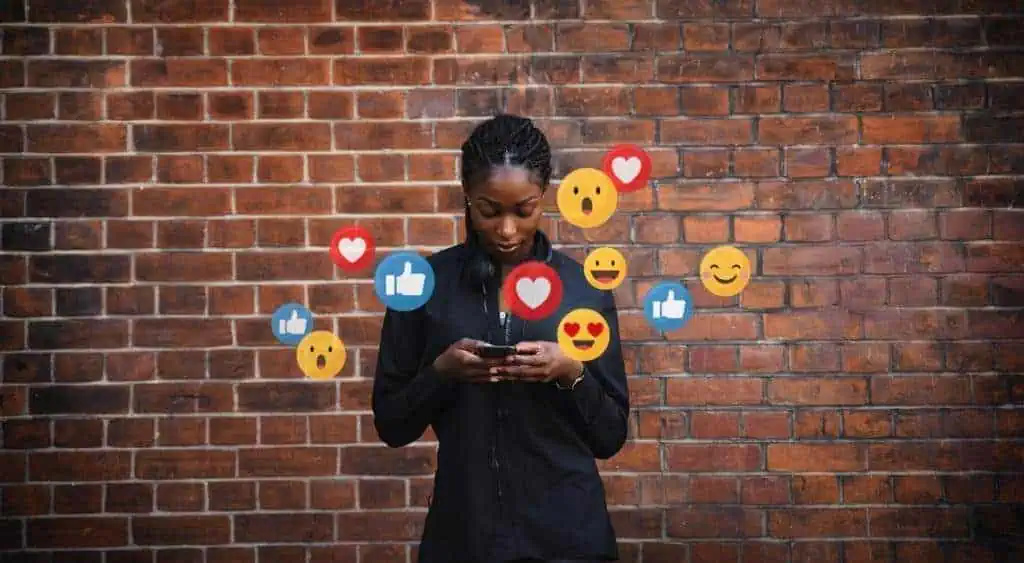
Introduction: The Digital Runway
In the vibrant world of fashion, where trends rise and fall with the tides of creativity and cultural shifts, social media serves as a beacon guiding the industry into the digital age. This era of transformation has ushered in a democratization of fashion, where luxurious runways and street style converge on the screens of millions, blurring the lines between the exclusive and the accessible, the timeless and the fleeting.
Social media has not only reshaped the landscape; it has expanded the fabric of fashion, weaving in a new thread of immediacy, intimacy, and inclusivity. Instagram, with its array of visually captivating Stories; TikTok, where trends emerge from a melting pot of creativity and spontaneity; and Pinterest, the canvas for crafting personal and inspiring style boards, collectively serve as the pillars of this digital runway. Choosing the best social media platform is crucial for fashion brands to build brand awareness, connect with customers, and drive sales. These are platforms where fashion is not only presented but also discussed, analyzed, and democratized, enabling brands, influencers, and consumers to engage in a continuous dialogue about what fashion means in today’s world.
The significance of social media in the fashion industry goes beyond mere marketing. It is a space where brands can showcase their collections to a global audience without being constrained by geographical boundaries or the selective coverage of traditional fashion media. It is a stage for storytelling, where a brand’s ethos, the inspiration behind a collection, and the journey of a single garment from concept to completion can be shared with unprecedented detail. Storytelling has become a central tool for fashion brands to create a cohesive brand identity and engage audiences through visual content, collaborations with influencers, and dynamic features like Stories and Reels.
But this digital runway is not without its challenges. The pace at which trends come and go has accelerated, forcing brands to keep up with a constantly rotating cycle. The pressure to remain relevant amid the fast-moving currents of social media feeds can lead to a homogenization of style, where uniqueness gets lost in the noise of current trends. Furthermore, the environmental and ethical impacts of fast fashion are increasingly coming under scrutiny, particularly from the very platforms that drive its growth. Brands are now leveraging diverse voices—such as influencers, celebrities, their own media, and partners—as well as a variety of content types to strengthen their brand positioning within the industry and among their target audiences.
As we begin this exploration of the fashion world in the age of social media, we delve into the mechanisms through which these digital platforms shape trends, influence consumer behavior, and redefine the boundaries of the industry. From the role of influencers in setting the fashion agenda to the impact of social media on fashion sustainability, this guide explores the complex interplay between digital platforms and the timeless pursuit of style. It is an odyssey into the heart of how we express our identity through the clothes we wear and the images we share, in search of an understanding of how the digital and the physical are interwoven in the fabric of modern fashion.
Chapter 1: The Platforms Revolutionizing Fashion
In the digital age, social media platforms have emerged as the new trendsetters, shaping the public perception of fashion and style. With their unique features and audiences, each platform plays a distinct role in shaping the fashion landscape. Let’s take a look at how Instagram, TikTok, and Pinterest have become pioneers of this revolution.
Instagram: The Visual Vogue
Instagram is the cornerstone of the fashion industry’s digital presence. Its visually oriented user interface aligns perfectly with the aesthetics-driven fashion industry, enabling brands and fashion designers to showcase their work through high-quality images and videos. Maintaining a consistent brand aesthetic on Instagram is crucial for fashion brands to ensure authenticity and avoid diluting their image. The platform’s features, such as Stories, Reels, and IGTV, offer a wide range of opportunities to present fashion content—from behind-the-scenes glimpses and runway shows to styling tips. Instagram has also facilitated direct interaction between brands and consumers, enabling more personalized customer engagement.
TikTok: The Trendsetter's Playground
TikTok has rapidly gained popularity due to its ability to set and spread viral fashion trends. The short-form video format encourages creativity and spontaneity, making the platform a breeding ground for innovative fashion challenges, DIY styling tips, and trend transformations. Interactive content on TikTok, such as challenges and duets, helps fashion brands engage users and foster authentic interactions, which increases brand affinity and encourages sharing among their audience. TikTok’s algorithm promotes content discovery and allows users to stumble upon the latest fashion trends regardless of their follower count. This platform has democratized the creation of fashion content, enabling anyone with a smartphone to influence fashion trends.
Pinterest: The Inspiration Archive
Pinterest serves as a digital mood board for millions of people and offers a vast treasure trove of fashion inspiration. Users pin their favorite looks, plan their wardrobes, and discover styling ideas, making the platform a valuable tool for trend forecasting and developing personal style. For brands, Pinterest offers the opportunity to influence purchasing decisions by providing inspiring yet actionable fashion content that users can incorporate into their daily lives.
Importance of Social Media in the Fashion Industry
The importance of social media in the fashion industry goes beyond mere marketing. It has transformed the way trends emerge and are consumed, enabling the instantaneous spread of fashion ideas around the globe. Through these platforms, fashion has become more accessible, making a greater diversity of voices and styles visible and audible. Social media also strengthens customer loyalty and increases the visibility of fashion brands by fostering direct interactions and the sharing of authentic content. Social media has also empowered consumers to influence the fashion world, marking a shift from a top-down approach to a more collaborative approach to trend-setting.
Navigating the Digital Runway
As fashion brands navigate this digital runway, the choice of platform and content strategy becomes crucial. Instagram’s visual storytelling, TikTok’s dynamic trends, and Pinterest’s curated inspiration each offer unique advantages. The key to success lies in understanding each platform’s audience and specific goals, and tailoring content to engage and inspire that audience. A comprehensive marketing strategy is essential to ensure that platform selection and content creation align with overarching brand goals, thereby achieving maximum impact.
In summary, social media platforms have not only revolutionized the way fashion is marketed and consumed but have also played a pivotal role in shaping the future of the industry. As we continue to explore the intersection of fashion and digital media, it becomes clear that these platforms are not merely communication tools but an integral part of the contemporary fashion world.
Chapter 2: Fast Fashion in the Digital Age
The rise of social media has significantly accelerated the pace of the fashion industry and given rise to the phenomenon we now know as “fast fashion.” This phenomenon has fundamentally changed both consumer expectations and the way fashion brands operate. Here, we explore the complex relationship between social media and fast fashion and examine the mechanisms through which digital platforms fuel the rapid consumption of fashion. Fast fashion brands often integrate social media into their broader digital marketing strategies to maximize reach and engagement.
Impact on Fast Fashion Cycles
Social media, particularly Instagram and TikTok, has created an environment where trends emerge and fade away at an unprecedented pace. The visual nature of these platforms, combined with algorithm-driven promotion of trending content, means that a single viral post can trigger global demand almost overnight. This has put pressure on fast-fashion brands to shorten the time from design to sale in order to keep pace with these fleeting trends, leading to an increase in the number of collections launched annually.
TikTok's Unique Impact
With its short videos and young audience, TikTok has become a powerful driver of the rapid spread of fashion trends. Its algorithm, which prioritizes content that generates quick engagement, is perfectly suited for spreading new styles and fashion hacks. TikTok challenges and the platform’s creative culture encourage users to experiment with their appearance, further fueling the fast fashion cycle.
Environmental and Ethical Concerns
The greatest impact of fast fashion, amplified by social media, is its environmental and ethical footprint. The pressure for faster production times and lower costs can lead to a decline in labor standards and increased waste. The environmental costs of producing more low-quality garments that are quickly discarded are significant. Social media has also become a space for activism where these issues are highlighted and discussed, prompting some brands to adopt more sustainable practices.
Promoting Fast Fashion
Social media promotes fast fashion through collaborations with influencers, targeted advertising, and user-generated content that highlights affordability and accessibility. Paid advertising on social media platforms is also frequently used by fast-fashion brands to increase their reach and brand awareness through targeted advertising campaigns. Influencers, in particular, play a crucial role in showcasing fast-fashion brands by creating inspiring content that encourages their followers to buy the latest trends.
Adapting to Digital Demand
To remain relevant in the age of social media, fast-fashion brands have adopted “digital-first” strategies. These include using social media data to predict trends, leveraging influencer marketing to reach a broader audience, and optimizing the online shopping experience to convert social media engagement into sales.
Key Takeaway
The symbiotic relationship between social media and fast fashion has fundamentally transformed the fashion industry, creating a cycle of rapid trend shifts that satisfies digital consumers’ hunger for novelty. While this has democratized access to trendy clothing, it also presents significant challenges in terms of sustainability and ethics. In the future, the fashion industry must overcome these challenges and seek ways to reconcile the demand for fast fashion with the need for environmental protection and ethical practices.
Chapter 3: From Trendsetting to Trend Following
The power of social media has revolutionized not only the way fashion trends are set, but also how they are embraced and adapted by audiences around the world. An emerging brand can use social media to boost brand awareness and expand its customer base by capitalizing on these evolving trends. This chapter explores the cycle of fashion trends in the digital age, from their emergence on social media platforms to their widespread adoption by consumers worldwide.
The Democratization of Fashion Trends
Social media has democratized fashion and broken down barriers that once restricted access to the fashion world. Today, anyone with a smartphone can share their style, influence trends, and build a following. This shift has led to a more inclusive fashion landscape where trends can emerge from every corner of the world and extend beyond traditional fashion capitals.
Mechanisms of Trend Diffusion
Platforms like Instagram and TikTok serve as epicenters of trend diffusion and use algorithms that highlight popular styles. Influencers play a crucial role in this process by demonstrating how to wear and style emerging trends, thereby accelerating their acceptance among the general public. Furthermore, hashtags and viral challenges contribute to the rapid spread of these trends, making them accessible to a diverse audience.
Impact on Consumer Behavior
The visibility of trends on social media significantly influences consumer behavior. Users are encouraged to refresh their wardrobes more frequently to keep pace with the fast-moving fashion cycle. Brands also use social media to encourage customers to share their own content or tag the brand, which helps foster a sense of community and trust among followers. This behavior is further driven by the fear of missing out (FOMO) on the latest styles, illustrating the profound psychological impact of social media on fashion consumption.
Sustainability Issues and Conscious Consumption
As awareness of the environmental impact of fast fashion has grown, social media platforms have also become spaces where sustainable fashion and conscious consumption are promoted. Discussions about the lifecycle of garments, ethical production practices, and the importance of investing in quality rather than quantity are gaining increasing prominence and point to a shift toward more responsible fashion consumption.
Mastering the trend cycle
For fashion brands and designers, it is essential to understand and master the life cycle of trends in the digital age. This involves not only identifying and capitalizing on emerging trends but also adopting sustainable practices and promoting responsible consumption among their target audience.
Key Takeaways
The relationship between social media and fashion trends is complex and multifaceted, reflecting broader cultural shifts toward inclusivity, sustainability, and digital connectivity. As the fashion industry evolves in response to these digital trends, the challenge lies in balancing innovation with responsibility and ensuring that the future of fashion is not only on-trend but also sustainable and ethical.
Chapter 4: The Cultural Mosaic of Fashion
In the multifaceted mosaic of fashion, culture plays an indelible role: it influences our clothing choices and is simultaneously influenced by them. Social media has amplified this exchange, transforming fashion into a more vibrant and inclusive dialogue between diverse cultural identities and global trends. In such a competitive market, a strong brand stands out by conveying a clear message and capturing attention, thereby setting itself apart from the competition.
The Influence of Culture on Fashion
Fashion and culture are closely intertwined, with each culture bringing its own symbols, colors, and styles to the global fashion stage. Traditional costumes from various parts of the world often find their way into mainstream fashion and are reinterpreted through modern designs. Social media platforms have become showcases for this cultural fusion, facilitating a style exchange that enriches the fashion industry.
The Social Impact of Fashion
Fashion is more than just clothing; it is a form of self-expression and identity. Social media has highlighted the fashion industry’s role in promoting diversity and inclusion and has challenged traditional norms regarding beauty and style. Campaigns for body positivity and the representation of underrepresented groups have gained momentum and are pushing brands to be more inclusive in their portrayals.
Social change is reflected in fashion
Fashion reflects the spirit of the times and mirrors social changes and movements. From the flapper dresses of the 1920s, which symbolized the women’s movement, to today’s movements for sustainable fashion—clothing has always served as a canvas for expressing social change. Social media amplifies these messages and enables fashion to act as a catalyst for social change, advocating for issues such as environmental sustainability and ethical working conditions.
Social Sustainability in Fashion
The debate on sustainability in fashion has expanded from environmental concerns to social sustainability—ensuring fair working conditions, ethical sourcing, and giving back to the community. Social media has played a key role in bringing these issues into the spotlight, empowering consumers to make informed decisions and demand transparency from brands.
The Role of Fashion as an Indicator of Social Status
Historically, fashion has always been an indicator of social status, with luxury brands and exclusive styles serving as symbols of wealth and power. While this remains true today, social media has democratized access to fashion and blurred the lines between luxury and high-street fashion. The focus has shifted toward individual style and ethical consumption as signs of social consciousness.
Can fashion reflect social change?
Absolutely. Fashion is a reflection of its time and evolves alongside societal attitudes and norms. Social media serves as a platform to showcase and drive these changes, from promoting gender-neutral clothing to supporting sustainable fashion practices. This is a testament to fashion’s ability to not only reflect social change but also to inspire it.
Key Takeaways
The intersection of fashion and culture in the digital age presents both opportunities and challenges. As the fashion industry continues to grapple with the complexities of cultural appropriation, ethical practices, and inclusivity, social media serves as a powerful tool for fostering understanding and celebrating the diversity of global fashion traditions. The future of fashion lies in embracing this cultural diversity and weaving together the threads of tradition and innovation to create a more inclusive and sustainable industry.
Chapter 5: Influencers: The New Age Fashion Icons
In the world of social media, influencers have become key players in the fashion industry, capable of shaping trends, defining style, and influencing consumer behavior. Their influence on fashion through social media platforms has redefined traditional marketing and made them indispensable to brand strategies. Influencers can also help turn loyal followers into brand ambassadors by fostering positive engagement and word-of-mouth promotion for the brand.
The Dynamics of Influencer Marketing
Influencer marketing leverages the credibility and reach of individuals who have built a significant following on social media. These influencers range from celebrities with millions of followers to micro-influencers with highly engaged niche audiences. Fashion brands collaborate with these influencers to create authentic content that resonates with their target audience, effectively bridging the gap between the brand and consumers.
Building Authentic Partnerships
Successful partnerships with influencers depend on authenticity and alignment between the influencer’s personality and the brand’s identity. Influencers who genuinely love and wear a brand can create more compelling content and thus build a deeper connection with their followers. This authenticity is crucial in the digital age, where consumers are increasingly skeptical of traditional advertising.
Influencers as Trendsetters
Social media influencers often serve as the first port of call for new trends and products. Through their platforms, they can introduce their followers to the latest fashion discoveries, styling tips, and brand launches. Their recommendations act as a powerful form of social validation and encourage followers to adopt new trends and try out new products.
Challenges and Considerations
While influencer marketing offers enormous opportunities, it also presents challenges. The flood of influencer advertising on social media can dilute the impact of influencer recommendations. Furthermore, questions surrounding transparency and the authenticity of sponsored content have led to increased scrutiny from both consumers and regulatory authorities. Both brands and influencers must address these challenges to maintain trust and credibility.
Evolving Roles
Influencers are no longer merely marketing tools; they are evolving into collaborative partners and co-creators of fashion brands. From capsule collections designed in collaboration with influencers to ambassador programs that integrate them into the brand’s creative process, this collaboration signifies a shift toward more integrated and innovative partnerships.
Key Takeaway
Influencers have undeniably become the fashion icons of the new generation and play a crucial role at the intersection of social media and fashion. Their ability to reach and influence a broad audience has made them key players in the fashion industry. As social media continues to evolve, so too will the role of influencers, bringing new opportunities and challenges for fashion marketing. The future of fashion branding and marketing lies in leveraging these relationships to create more authentic, engaging, and innovative content that resonates with digitally-oriented consumers.
Chapter 6: Technology's Tailoring of Trends
In this chapter, we explore the transformative role of technology—particularly social media—in the fashion industry. Platforms like Instagram, TikTok, and Pinterest have revolutionized the way trends emerge, spread, and are adopted. The rapid spread of fashion trends via these platforms has led to a dynamic shift in the fashion world, making trends more accessible and fast-paced than ever before. By analyzing social media data, brands can gain valuable insights that help them optimize their strategies and effectively measure ROI.
The Influence of Social Media on Fashion Trends
Social media platforms have become indispensable for fashion brands and influencers to connect with their audiences. By showcasing their lifestyles and fashion choices, influencers significantly influence their followers’ purchasing decisions. Platforms like LTK (formerly LIKEtoKNOW.it) have demonstrated the power of influencer marketing and drive sales through direct referrals from influencers to retail platforms.
The Role of Influencers and Brand Campaigns
Influencers play a crucial role in setting trends on social media. They not only influence fashion choices but also create new career paths within the industry. Influencer marketing has become an integral part of fashion advertising, with brands collaborating with influencers to reach a broader audience. This partnership has led to successful campaigns, such as Charlotte Russe’s initiatives for user-generated content and social engagement, as well as Marc Jacobs’ global model casting via Instagram, which demonstrate the power of social media in reaching a young target audience.
Fashion Brand Building and Social Media Engagement
Social media has enabled fashion brands to go beyond traditional advertising and create interactive identities as well as direct engagement with consumers. For example, luxury brands have used TikTok to connect with a younger audience, leading to considerable success at fashion events such as Milan Fashion Week. With its visually oriented platform, Instagram has become a dominant tool for fashion branding, enabling brands to showcase their collections and interact directly with their target audience.
Digital Fashion Platforms and Style Communities
The rise of digital fashion platforms and style communities on social media has fostered a sense of belonging among fashion enthusiasts. These platforms enable users to discover niche aesthetics, exchange ideas, and embrace diverse cultural fashion trends. The democratization of fashion through social media fosters creativity, self-expression, and the emergence of microtrends, thereby contributing to a more inclusive and diverse fashion landscape.
Future Trends: Social Media and Fashion Innovation
Looking ahead, the integration of social media and technology in the fashion industry continues to evolve. Innovations such as virtual reality experiences, augmented reality try-ons, and AI-powered recommendations are reshaping the customer experience. Collaborations between fashion brands, influencers, and technology platforms are pushing the boundaries of fashion marketing and storytelling, promising an exciting future for the digital fashion experience.
Instagram's Fashion Revolution
Instagram has undeniably revolutionized fashion branding and marketing, providing a visually rich platform for brands to showcase their collections, tell their stories, and engage with their audience.
- Visual Storytelling: Instagram’s image-centric platform allows for compelling visual storytelling, enabling brands to craft a visually coherent identity and narrative. This visual storytelling is critical in fashion, where aesthetics drive consumer interest and engagement.
- Direct Consumer Engagement: Instagram facilitates direct engagement between brands and consumers, fostering a sense of community and loyalty. Through comments, likes, and direct messages, brands can gather instant feedback, respond to consumer queries, and engage with their audience in real-time, creating a more intimate and responsive brand experience.
- Influencer Collaborations: The platform has also given rise to influencer marketing, where fashion brand to reach broader audiences. These collaborations leverage the influencer’s credibility and relationship with their followers to promote products in a way that feels more authentic and personal compared to traditional advertising.
- Shoppable Posts: Instagram’s introduction of shoppable posts has bridged the gap between inspiration and purchase, allowing users to buy products directly from their feed. This seamless integration of commerce into the browsing experience has opened new avenues for fashion marketing, making it easier for brands to convert inspiration into sales.
In conclusion, social media has indelibly altered the fashion industry, from trendsetting to consumer engagement. Its influence spans from the creation of global fashion communities to the advent of digital fashion innovation, highlighting the symbiotic relationship between technology and fashion. This chapter underscores the necessity for fashion brands to adapt and thrive in this digital era by leveraging social media’s vast potential.
Chapter 7: The Social Fabric of Fashion
In the intricate tapestry of the fashion world, the threads of social sustainability and status symbolism stand out in particular, highlighting the industry’s influence on society and individual identity. This chapter examines key aspects of ethical practices and workers’ rights within the fashion industry’s supply chain, as well as the role of fashion as an indicator of social identity and status.
Social Sustainability: Ethical Practices and Workers’ Rights
Social sustainability in fashion involves a commitment to ethical practices, ensuring fair working conditions, and upholding workers’ rights throughout the entire supply chain. It is about recognizing the human element behind every garment—honoring the hands that make the clothes and ensuring they are fairly compensated and work in safe conditions.
- Ethical Practices: This involves a holistic approach to fashion production, in which brands actively strive to minimize harm and positively impact the lives of workers. From sourcing materials to the final stitches, ethical practices are embedded in every step to ensure that the environment and workers are treated with respect and dignity.
- Workers’ rights: At the heart of social sustainability lies the protection and promotion of workers’ rights. This includes fair wages, reasonable working hours, safe working conditions, and freedom of association. The fashion industry faces criticism for its role in the exploitation of workers in developing countries; therefore, a shift toward greater transparency and accountability is essential. Brands are increasingly being called upon to disclose their manufacturing processes and take responsibility for their supply chains.
Fashion as a Symbol of Social Status
Fashion serves as a powerful social indicator that defines personal and group identities, signals status, and even conveys beliefs and values. The clothes we wear can express our style, our cultural background, our socioeconomic status, and our aspirations.
- Indicator of social identity: The choice of clothing often reflects individual identity and membership in specific social groups. Fashion allows individuals to express their uniqueness while simultaneously signaling their affiliation with certain communities, whether cultural, professional, or social in nature.
- Symbolism of status: Throughout history, fashion has been used to signal social status. Luxury brands, designer labels, and custom-tailored garments serve as symbols of wealth and prestige. However, this symbolism continues to evolve with the digital age and shifting social values. Increasingly, ethical and sustainable fashion choices are also becoming status symbols, reflecting a growing awareness of the environmental and social impacts of consumption.
Key takeaway
The social fabric of the fashion industry is complex and multifaceted, intertwining ethical considerations with the nuances of social identity and social status. As it continues to evolve, the industry faces the challenge of balancing tradition and innovation, profit-seeking and ethical conduct, as well as individual expression and collective responsibility. Social sustainability and the symbolism of fashion offer the industry ways to redefine itself and strive for a future in which fashion not only adorns the body but also respects the human spirit and the planet. The evolution of fashion into a more socially responsible and ethically conscious industry is not only desirable but essential, marking a new chapter in the history of fashion where dignity, respect, and sustainability are in vogue.
Chapter 8: Developing Social Media Strategies
Building a vibrant and engaging social media presence is crucial for fashion brands that want to foster a strong connection with their audience. Sharing behind-the-scenes insights, such as exclusive glimpses into product launches or real-time updates, can foster engagement and build trust by offering authentic insights into the brand’s operations. This chapter outlines key strategies for fashion brands to build and maintain a strong social media presence that resonates with today’s digitally savvy consumers.
Building a Social Media Presence: Effective Strategies for Fashion Brands
The foundation of a strong social media strategy is understanding the unique characteristics and demographic makeup of each platform’s audience. Fashion brands can harness the power of Instagram with its visually appealing content, leverage the fast-paced, trend-driven nature of TikTok, and use Pinterest for inspiration boards and lifestyle content. Here are some strategies to consider:
- Platform-specific content: Tailor your content to the strengths and expectations of each platform’s users. Instagram is ideal for high-quality images and Stories, TikTok for engaging video content, and Pinterest for curated visual collections.
- Consistency is key: Stick to a consistent posting schedule to keep your audience engaged and ensure your brand stays top of mind. Use social media management tools to plan and automate your posts.
- Engage with your audience: Engagement goes beyond simply posting content. Respond to comments, participate in conversations, and encourage user-generated content to build a community around your brand.
Creating Engaging Content: Striking a Balance Between Informative, Inspiring, and Entertaining Content
Creating content that strikes a balance between informing, inspiring, and entertaining your audience can significantly boost engagement and brand loyalty. Here’s how to achieve this balance:
- Educational content: Offer insights into your design process, share the story behind your collections, or provide styling tips for your pieces. This type of content adds value for your audience and strengthens your brand’s authority in the fashion industry. Additionally, soliciting feedback and offering personalized experiences through social media can improve customer satisfaction and loyalty.
- Inspirational content: Use your platform to inspire your followers with the latest trends, seasonal looks, or creative ways to wear your products. Inspirational content should evoke emotions and spark desire, allowing followers to identify with your brand.
- Entertaining content: Incorporate lighthearted, entertaining posts that engage your audience. These include, for example, behind-the-scenes glimpses, fashion challenges, or humorous takes on fashion faux pas. Entertaining content helps humanize your brand and make it more relatable.
By implementing these strategies, fashion brands can build a social media presence that not only showcases their collections but also fosters a lasting relationship with their audience. The ultimate goal is to create a vibrant digital space that reflects the brand’s identity, values, and vision, and engages consumers in ways that go beyond the boundaries of traditional marketing.
Chapter 9: The Challenges Facing the Fashion Industry
While the fashion industry is glamorous and innovative, it faces significant challenges that threaten its sustainability and ethical reputation. The digital age, driven by social media, has both highlighted these issues and contributed to their complexity. This chapter takes an in-depth look at the key issues facing the fashion industry today, as well as the impact of social media on consumer behavior and industry practices.
Biggest Problems Facing Fashion Today
- Sustainability Challenges: The fashion industry is one of the world’s largest polluters, ranking second only to the oil industry. The fast-fashion industry’s rapid production cycles contribute significantly to environmental degradation, including water pollution, textile waste, and excessive CO₂ emissions. Sustainable practices are urgently needed to reduce the environmental footprint of fashion production and consumption.
- Ethical Concerns: Working conditions in the fashion industry are frequently criticized. Many garments are manufactured in countries with lax labor laws, leading to exploitation, unsafe working conditions, and unfair wages. The demand for transparency and ethical accountability is growing among consumers, who are becoming increasingly aware of the human cost behind their clothing.
- Need for transparency: The fashion industry’s complex global supply chains make it difficult to trace the origin and manufacturing processes of garments. Consumers are demanding greater transparency from brands to ensure that their purchases align with their values regarding sustainability and ethics.
Navigating Social Media Pitfalls
- The pressure to constantly update one’s wardrobe: Social media, particularly platforms like Instagram and TikTok, foster a culture of constant consumption. Influencers and trend cycles create relentless pressure to always stay on-trend, leading to excessive consumption and a throwaway culture. This not only exacerbates sustainability issues but also places a financial burden on consumers.
- Impact of the culture of comparison: Social media often conveys an idealized image of reality, leading to comparisons and dissatisfaction among users. This culture of comparison can negatively impact mental health and self-esteem and drive an endless pursuit of material goods, including fashion, in an effort to emulate the lifestyles seen online. It is essential for both individuals and brands to promote authenticity and mindful consumption in the digital space.
Key takeaway
The fashion industry stands at a crossroads and faces critical challenges that demand immediate action. Sustainability, ethical conduct, and transparency are not just buzzwords, but indispensable changes necessary to ensure the industry’s future viability and integrity. At the same time, navigating the pitfalls of social media requires joint efforts by brands, influencers, and consumers to foster a culture of authenticity, conscious consumption, and respect for the environment and human rights. Looking ahead, it becomes clear that the future depends on fashion’s ability to adapt to these challenges and evolve toward a model that is not only profitable but also principled and sustainable.
Conclusion: Bringing It All Together
As we navigate the complexity and vibrant colors of the relationship between the fashion industry and social media, we arrive at a pivotal turning point full of change and opportunity. The future of fashion and social media stands on the threshold of innovation, sustainability, and deeper, more meaningful connections. Here is a look at what the future might hold for the evolving landscape of digital fashion marketing and how brands can build authentic relationships with their audience.
The Future of Fashion and Social Media
A look at the future of digital fashion marketing reveals a field ripe for technological innovation, ethical responsibility, and creative expression. Virtual and augmented reality technologies will redefine the online shopping experience, offering consumers immersive ways to try on and interact with products before purchasing. Sustainability will evolve from a niche topic into a core marketing and operational strategy as consumers demand transparency and ethical accountability from their favorite brands. Furthermore, the rise of niche platforms and the evolution of existing platforms will open new avenues for brands to reach a diverse audience with tailored content.
The influence of artificial intelligence and machine learning will further personalize the shopping experience and provide predictive recommendations based on individual style preferences and purchasing habits. Social commerce will continue to grow and blur the lines between social media platforms and e-commerce websites, turning shopping into a seamless experience that arises directly from interaction with content.
The Importance of Brand Consistency
In the fast-paced world of social media marketing, brand consistency is the cornerstone of a fashion brand’s success. With countless clothing brands vying for attention, it is essential to maintain a consistent and recognizable brand identity across all social media platforms in order to stand out from the crowd and build lasting relationships with your target audience.
Brand consistency starts with a cohesive visual identity. Fashion brands should use high-quality images that reflect their unique aesthetic, stick to a specific color palette, and ensure that every post aligns with their overarching brand strategy. Whether it’s the tone of your captions, the style of your photography, or the topics you cover—every element should underscore your brand’s personality and values.
This consistency extends beyond the visual. The messages, tone, and storytelling in your social media feed should be harmoniously aligned, offering your followers a seamless experience as they move from one platform to the next. When your target audience encounters your content—whether on Instagram, TikTok, or Pinterest—they should immediately recognize your brand’s distinctive style and ethos.
The benefits of consistent brand management are far-reaching. It builds trust and credibility, making your brand more memorable and reliable in the eyes of consumers. This trust leads to customer loyalty, as customers are more likely to engage with and purchase from brands they recognize and feel connected to. Consistent brand management also supports your marketing efforts by strengthening your market position and setting your fashion brand apart from the competition.
Ultimately, brand consistency isn’t just about aesthetics—it’s a strategic approach that drives sales, fosters customer loyalty, and ensures your fashion brand stands out in a crowded digital landscape.
Engaging Luxury Customers on Social Media
Reaching luxury customers in the digital age requires a sophisticated and strategic approach to social media. Luxury fashion brands must go beyond standard marketing strategies and leverage the unique capabilities of platforms like Instagram and Facebook to connect with their discerning audience.
The best social media platforms for luxury brands are those that offer advanced targeting capabilities and rich visual storytelling. With its visually appealing feed and curated Stories, Instagram is the top choice for luxury fashion, enabling brands to showcase high-end collections, exclusive events, and behind-the-scenes glimpses into the world of luxury design. Facebook’s powerful targeting tools allow brands to reach luxury customers based on their interests, behavior, and demographics, ensuring that marketing efforts are both precise and effective.
Influencer marketing is another powerful tool for luxury brands. By collaborating with high-end influencers who embody the brand’s values and resonate with luxury consumers, brands can create authentic content that connects with their audience. These collaborations with influencers often include exclusive sneak peeks, styling tips, and access to limited-edition pieces, which reinforces the sense of exclusivity that luxury consumers crave.
User-generated content also plays a crucial role in luxury marketing. Encouraging customers to share their experiences with the brand—whether it’s unboxing
Luxury brands can further enhance the customer experience by leveraging social commerce features such as “Instagram Shopping,” which enable seamless in-app purchases. This integration of commerce and content optimizes the journey from inspiration to purchase, thereby meeting the expectations of today’s luxury customers.
Through a targeted, visually appealing, and community-oriented social media strategy, luxury fashion brands can effectively engage their upscale target audience, build lasting customer loyalty, and increase sales in an increasingly competitive market.
Comments (0)
Comments are reviewed before they appear. Please keep it friendly and leave out links.
No comments yet - be the first to share your thoughts.